The Mud Trap Between the Fins: A Rossendale Cooling Check Before the Frost

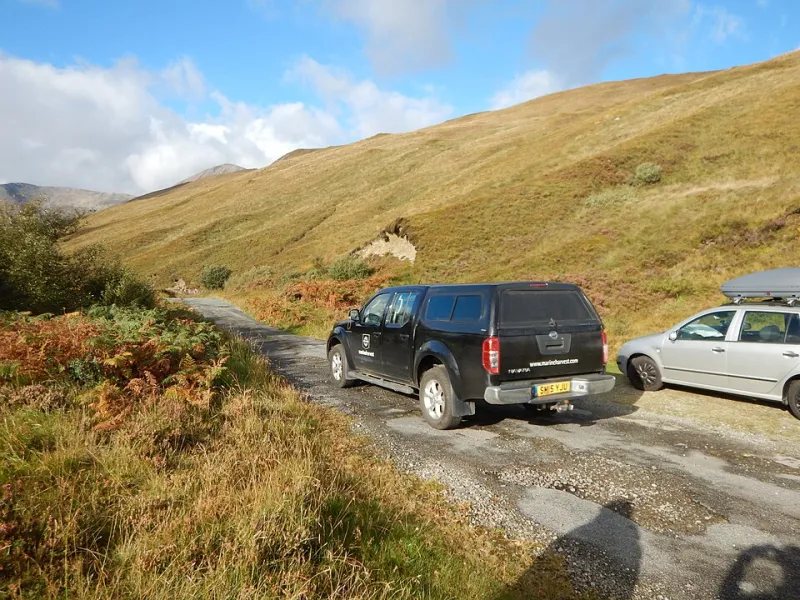
Photo: Bernard Spragg. NZ from Christchurch, New Zealand, CC0, via Wikimedia Commons
There’s a smell that hangs around a winter lane day in the Rossendale Valley: hot antifreeze, wet moss, and the faint whiff of a radiator doing overtime. Cooling systems rarely go from fine to finished without a warning. They whisper first — a creeping gauge, a cold heater, a crusty stain at a hose joint. The trouble is that lane work gives you plenty of noise and bounce to drown out the whisper.
A green-lane run is not a motorway cruise. You spend an hour at walking pace with the engine pulling hard, the radiator half-smothered in peat, and the fan cycling on and off like a cuckoo clock. Add a slow climb over Deerplay or a stop-start squelch through the lanes above Waterfoot and you’ve built the exact conditions that turn a small coolant weep into a very long walk to the nearest signal.
This is the check we do before the frost properly settles in. It’s not a full service and it won’t replace a pressure test, but it catches the obvious stuff before a Sunday run turns into a recovery mission.
Start Cold, With a Torch and No Heroics
Do the checks with the engine stone cold. Never crack the radiator cap on a warm engine — that’s how you meet the ceiling of your own bonnet. Start with the expansion bottle. The level should sit between the marks, not just above the minimum when the engine is cold. Look at the coolant itself: is it clean and the right colour, or has it gone rusty and sludgy? A brown tide in the bottle is a conversation you want to have at home, not on a moor.
While you’re there, look for the tell-tale white or chalky crust around the cap, the thermostat housing, and the water pump. That crust is dried coolant, and it usually means something is weeping when hot. Check the cap seal too. A tired cap can let the system run at the wrong pressure, which is a quiet way to make a healthy engine overheat.
The Radiator Face Is a Mud Magnet
The radiator is the bit most Rossendale 4x4s neglect because it’s hidden behind the grille, the bumper, and often a fan shroud. Look through the front and you might see clean fins. Look from the engine side with a torch and you’ll often find a felt-like mat of peat, grit, and grass seed. That mat is an insulator. It stops air passing through the core, and no amount of extra coolant will fix a radiator that can’t breathe.
Inspect the fins for two things: blockage and damage. Mud packed between the fins is common after a wet run; bent or corroded fins are common on older vehicles. Rinse from the engine side, pushing the muck back out the way it came in, using a garden hose on a gentle setting. A soft brush helps shift the stubborn stuff. Avoid blasting the fins with a pressure washer at close range — you’ll fold them flat and create a new problem. If you’ve got an air-con condenser in front of the radiator, check that too; it can hide a second layer of filth.
Hoses, Clamps and the Sneaky Seep
With the engine cold, give the coolant hoses a squeeze. They should feel firm but not rock-hard, and they shouldn’t crack, bulge, or feel spongy. Look closely at the ends where they meet the radiator, water pump, and heater matrix pipes. That’s where a small seep loves to hide. Check the clamps as well — corrosion, stripped threads, and cheap jubilee clips are all common. Tighten only if they’re genuinely loose; over-tightening can cut a hose and create the leak you were trying to prevent.
Don’t ignore the metal pipes that run along the block or under the inlet manifold. On a muddy 4x4, corrosion can work from the outside in. A pinhole that drips once a minute on the drive can become a steady stream when the system is hot and pressurised on a slow climb.
Coolant Strength Isn’t Guesswork
Anti-freeze does more than stop the block cracking on a cold Snap. It raises the boiling point, lubricates the water pump, and carries corrosion inhibitors. A weak mix or plain water top-up over months can leave the system protected by not very much at all. Use the correct spec for your vehicle — OAT, IAT, or whatever the handbook says — and don’t mix types casually unless you know they’re compatible.
A cheap hydrometer or refractometer takes the guesswork out of strength. If the reading is marginal, drain and refill with the right mix rather than tipping in neat antifreeze and hoping. And if you’ve had to top up more than once, find out where it’s going. A cooling system that needs regular drinks is telling you something.
Fan Behaviour and the Heater as a Warning Light
Once the engine is warm, watch the fan. A viscous fan should lock up and roar when the radiator is hot; an electric fan should kick in at its trigger point and cycle off again. If the fan never comes on, or runs constantly from cold, that’s a fault worth sorting before winter. On a lane day, the fan is often the only thing keeping the temperature in check when you’re crawling.
Then use the heater as a diagnostic tool. It should blow hot and steady once the engine is up to temperature. If it goes cold when you’re climbing, fluctuates, or takes an age to warm up, you could be looking at low coolant, an airlock, a sticky thermostat, or a partially blocked heater matrix. In winter you need the heater for demisting anyway, so a weak heater is both a comfort problem and a cooling-system clue.
Roadside Red Flags: Stop, Don’t Push
Out on the lanes, the rule is simple: steam means stop. Pull over somewhere safe, shut down, and let it cool. A climbing temperature gauge, a warning light, a sweet coolant smell, a puddle under the front bumper, or a heater that suddenly blows cold are all reasons to call it. Do not open the cap while it’s hot. Do not pour cold water over a hot engine. And don’t convince yourself you’ll just make the next gate.
A warped head or a cracked block is a expensive way to save twenty minutes. A lost lane day is annoying; a cooked engine is a project. If you’re in a convoy, say what’s happening early so the group can find a safe place to tuck in. The lanes will still be there next weekend.
The Ten-Minute Habit
Before the winter lanes properly start, spend ten minutes with a torch, a hose, and a hydrometer. Then make the radiator rinse part of your post-lane washdown routine, especially after a peaty run around Haslingden or a sploshy one near Edenfield. Keep a litre of correctly mixed coolant in the boot and note any repeat loss in your phone. It’s boring, it’s cheap, and it keeps the steam where it belongs — coming off your flask, not your bonnet.