The Rot You Don't See: A Rossendale Owner's Guide to Mud, Salt and Hidden Corrosion
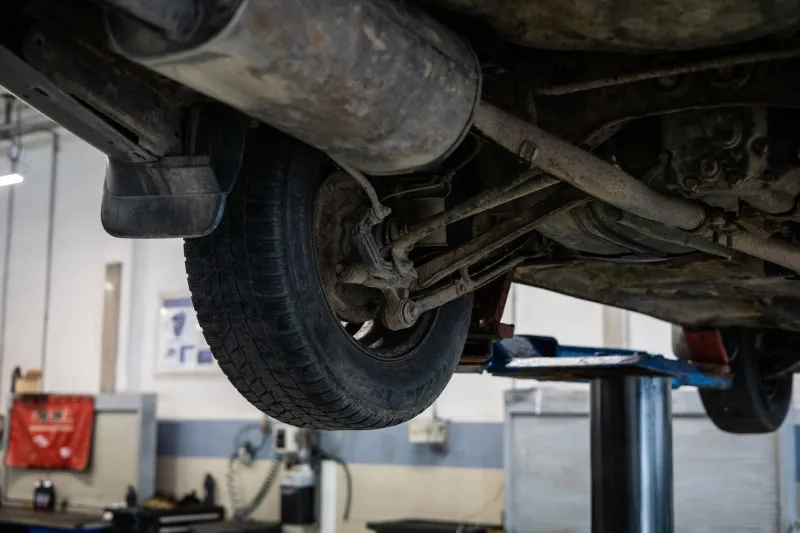
Lane day done. Flask empty. Boots muddy. You park up, put the kettle on, and the 4x4 sits there quietly stewing in whatever Rossendale threw at it. That is the bit we often miss. Mud does not clock off when the wheels stop turning. Peat holds water against metal, grit works its way into seams, and winter salt keeps doing its quiet thing long after the gritter has gone past. Rust rarely announces itself with a dramatic hole. It starts as a stain, a bubble, a crunchy edge you notice with a fingertip.
This is not a show-truck polishing guide. It is a practical routine for a working 4x4 that sees Rawtenstall streets, Bacup back lanes and boggy Pennine tracks in the same week.
Why Rossendale Mud Is a Slow-Acting Problem
Peat is not just brown muck. It holds moisture, and in the hollows and rushy bits around the valley it can stay damp for days. Add grit from the lanes, then add road salt from a cold snap, and you have a lovely little corrosion cocktail. The worst places are not always the most obvious. A clean-looking arch can hide a packed lip of mud behind the liner. A chassis rail can look fine until you poke a torch into a body mount.
The difference between a daily driver and a show truck is time. A show truck gets cleaned, dried and put away. A daily gets driven to work on wet roads, parked with damp carpets, and treated to another lane day before the last lot has dried. That is why the daily needs small, regular checks rather than one heroic session in spring.
The Trouble Spots Worth Checking
Start at the rear arches. The lip where outer arch meets inner arch is a classic trap for mud, and it is easy to feel without getting the car on ramps. Run a fingertip along the inside lip. If it feels gritty, rinse it out and dry it. If it feels soft or bubbly, investigate properly.
Then look at the sills and jacking points. Rossendale lanes throw spray sideways, and the sill seam is exactly where salt sits. Check door bottoms, tailgate edges and the bottom of the wings. Open the doors and look at the drain holes - they block with mud and then hold water.
Underneath, focus on the chassis rails, outriggers, body mounts and recovery points. The towbar and winch tray take a beating, and so do fuel tank straps, brake pipes and axle pans. Look behind the plastic wheel arch liners if they can be removed easily. Mud packed behind a liner stays wet for ages because air cannot get to it. The same goes for the battery tray, inner wings and the seams around the engine bay.
Do not forget the bits you cannot see. Cavity sections in sills and chassis rails can rust from the inside out. A small scab on the outside might be the tip of a much bigger issue. That is why a torch and a gentle poke are more useful than a quick glance.
A Weekly Routine That Fits Real Life
You do not need a heated garage. You need ten minutes and a hose. After a lane day, rinse the arches, sills and underside with water. A pressure washer is fine on bodywork, but keep it away from seals, breathers and sensitive electrics. Blast the obvious mud, then let it dry. Do not slap underseal over wet muck. That is just a waterproof jacket for rust.
Once a week in winter, do a walkaround with a torch. Check the arch lips, sill seams and door bottoms. Look for new bubbles in the paint or orange staining on seams. Check that drain holes are clear. If you have been through a ford or a deep puddle, check the carpets and boot floor for damp. A wet interior is its own corrosion problem.
Once a month, get underneath properly. Cardboard on the drive is fine. Look at brake pipes, fuel lines, chassis rails and mounting points. Wiggle the plastic liners. Check the spare wheel cradle if it lives underneath. If you find a scab, clean it back to sound metal, treat it and paint it. Small touch-ups are much cheaper than welding.
Protection That Makes Sense
For a daily 4x4, protection should be practical rather than pretty. Good mud flaps help. Making sure arch liners are intact and fitted properly helps. Keeping drain holes clear helps more than most products. When it comes to coatings, a wax-based cavity protector inside sills and chassis rails is worth considering, but it needs applying to clean, dry metal. A lanolin-based product or a proper cavity wax can creep into seams. Avoid thick rubberised underseal over unknown rust - it can hide the problem while it grows.
Touch-up paint is your friend. Every stone chip is a tiny doorway. Clean it, dry it, paint it. It does not need to be a perfect colour match on the underside. It needs to keep the weather out.
When to Stop Poking and Get Help
If a screwdriver goes through metal, or a chassis rail feels soft, stop. If brake pipes are crusty, get them replaced. If an MOT advisory mentions corrosion, take it seriously rather than waiting for the next test. A local garage that understands older 4x4s is worth their weight in underseal. Ask them to show you the bad bits rather than just handing you a bill.
Rust is silent, slow and patient. Our checks do not need to be dramatic. They just need to happen while the mud is still fresh and the salt is still sitting on the seam. Keep the metal alive and the lanes will keep giving you weekends worth remembering.