The Boots-On Rule: Scouting Rossendale Green Lanes Before You Commit a Diff
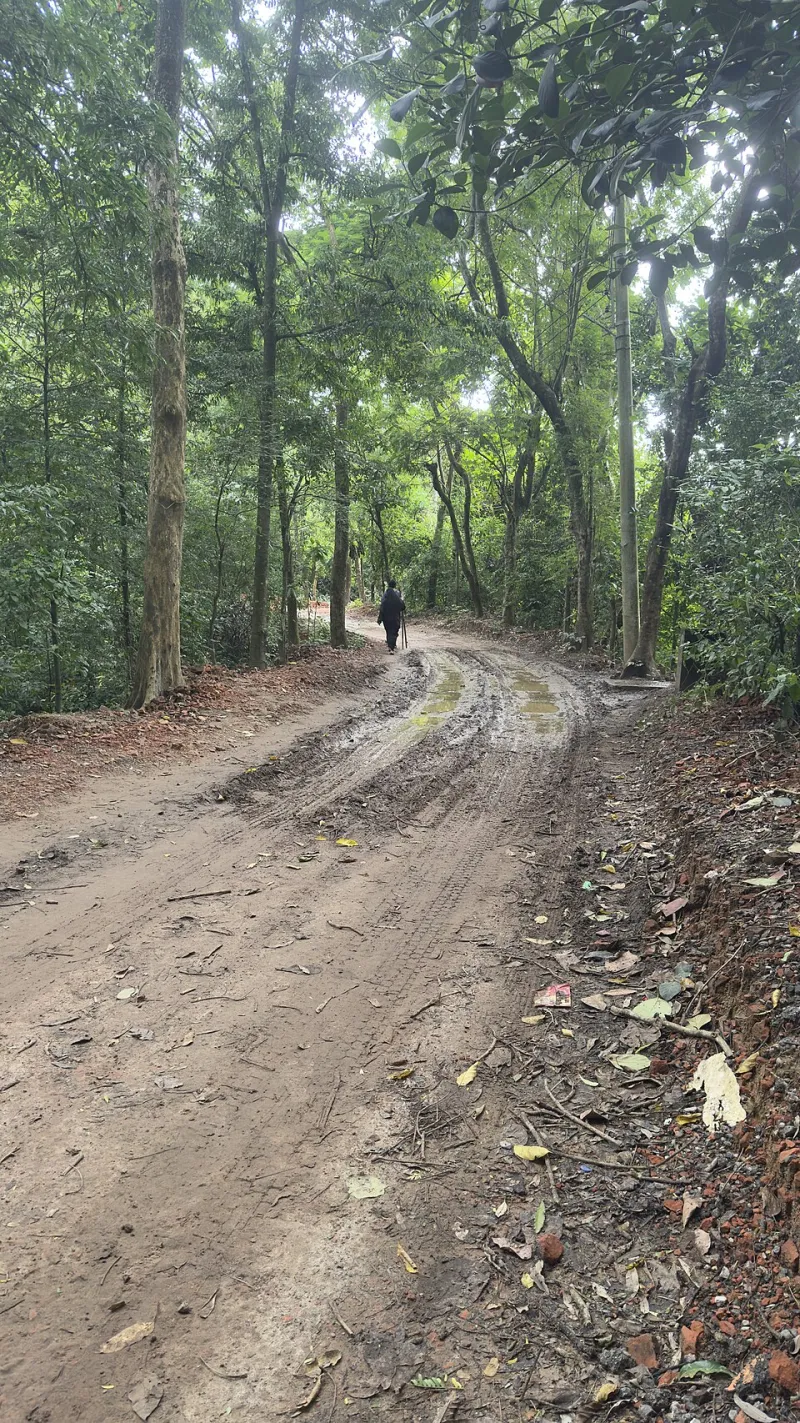
Photo: Sultan Sunnny, CC BY-SA 4.0, via Wikimedia Commons
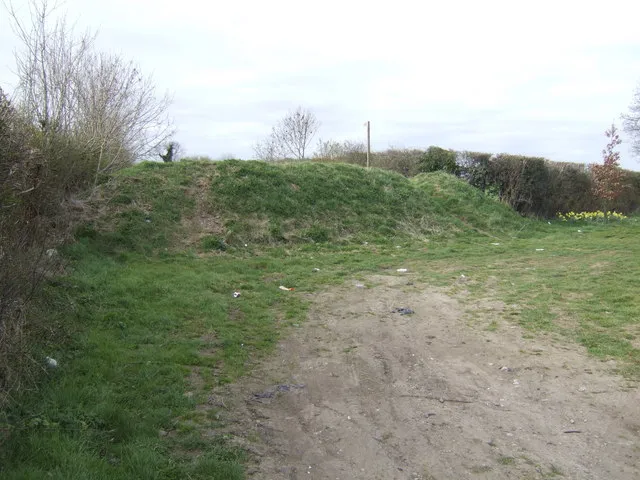
There's a lane above Rawtenstall that looks, from the driver's seat, like a gentle amble between drystone walls. Twenty metres in, the surface goes from grit to something the colour of dark chocolate, and the ruts stop being ruts and start being trenches. You don't see that through a windscreen. You see it when you get out and walk.
That's the boots-on rule, and it's the cheapest modification you'll ever make to your off-road day. Not a lift kit, not a locker — a pair of walking boots and ten minutes of paying attention.
Why the driver's seat lies to you
From behind the wheel you get a foreshortened view of the ground ahead. You see the tops of ruts, not their depth. You see a flat sheet of water, not the hole underneath it. You hear your own engine, not the squelch that tells you the peat has given up being solid. Add a bit of drizzle on the windscreen and the low sun of a Pennine afternoon, and the lane becomes a suggestion rather than a fact.
Walking it changes the information completely. You can prod a puddle with a stick. You can see where the water is running, and therefore where the ground is being hollowed out. You can look back up a slope and realise the descent you just drove down is going to be a very different thing on the way home.
What a recce actually is
This isn't a hike. You're not walking the whole lane for the pleasure of it, although there's nothing wrong with that. The recce is a targeted look at the first serious hazard, the next one if the first is unclear, and the places you'd turn around or reverse to if it all goes wrong. On a short lane, walk to the exit. On a long one, walk far enough to make an honest judgement, then walk back.
Reading the ground: peat, clay and run-off
Peat is the one that catches people out. It looks firm because it's covered in heather, cotton grass and moss, but it holds water like a sponge and it can be metres deep. A patch that looks like a mild puddle can be a bog hole with a firm-looking crust. Test it with your boot first, then with a stick. If the stick disappears, so will your wheel. And try not to trample the heather — it's slow to recover and often marks the softest ground.
Clay is the opposite problem: it looks horrible and it usually is, but in a predictable way. Wet clay is slick, it polishes into shiny ruts, and it holds water in tyre-shaped pools. On a side slope, wet clay is a genuine no. On the flat it's often passable, but note whether the ruts are old and firm or fresh and soft, and whether your tyres will actually clear.
Run-off channels are the quiet killers. On sloping lanes, water cuts gullies diagonally across the track, often hidden under grass. These are what break diffs and bend steering. Look uphill for where the water comes from, and if the channel is deeper than your lowest clearance point, that's your answer. Old stone drains and culverts under the lane are worth a look too — the edges can collapse after heavy rain, leaving a wheel-sized hole where the surface used to be.
Gates, stiles and what they're telling you
A farm gate is usually fine, but check the latch, check which way it swings, and check whether it opens over a ditch. Bridleway gates are often wide enough for a vehicle, but some are tight for wide mirrors.
Kissing gates, stiles and footbridges are a different message entirely. If you meet one on a route you thought was driveable, you've misread the map. Turn around. Don't improvise, don't squeeze, and don't assume the next gate will be friendlier.
While you're at the gate, look for signs: temporary closures, traffic regulation orders, fresh fencing, notices from the council or a landowner. A locked gate is a locked gate, whatever the map says.
Escape routes and turnaround points
Before you commit, find at least one place to turn. A wide field gate entrance, a firm grassy patch that isn't soft, a passing place. Note where you'd reverse to if the lane turned nasty, and in a convoy agree the turnaround order before anyone moves. A lane with no turnaround for a mile isn't necessarily off-limits — it's a commitment, and it should be a deliberate one.
Is it passable for your vehicle?
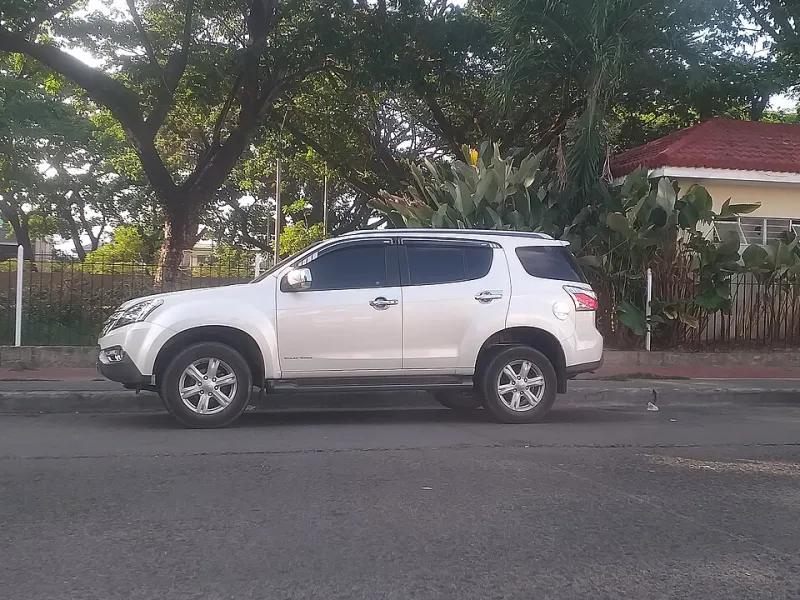
This is where honesty matters. Ground clearance, tyre type, wheelbase, whether you're solo or in company, what recovery kit you've got, the forecast, and what happens if it goes wrong. A lane that's a pleasant challenge in a lifted 90 on mud tyres can be a diff-eating trap for a standard soft-roader on all-terrains.
Ask yourself the only question that really counts: if I get stuck here, can I get out without making the lane worse? If the answer is no, walk away. The lane will still be there next summer.
The ten-minute routine
- Park legally and considerately — not in a gateway, not blocking a passing place.
- Boots on, stick in hand.
- Walk to the first hazard and test the depth.
- Check the line you'd take and the escape route if it fails.
- Walk the next section if anything is unclear.
- Look back — descents look completely different from above.
- Decide: go, go with a plan, or save it for a drier day.
Printable pre-drive checklist
- Legal status and any closures or notices checked
- Weather forecast and recent rainfall considered
- Gate types, latches and swing direction noted
- Ground type identified: peat, clay, rock, mixed
- Rut depth measured against your lowest clearance point
- Run-off channels and culverts inspected
- At least one turnaround point identified
- Escape route and recovery plan agreed
- Other users, livestock and dogs accounted for
- Solo or convoy decision made
Walking a lane respectfully
A recce puts you on foot among the people who use the lane for walking, riding and cycling. Close every gate behind you. Keep dogs close, and on a lead around sheep — especially in spring. Give horses room, speak calmly, and don't stand behind them. Say hello to walkers and cyclists; a bit of goodwill goes a long way towards keeping lanes open.
And stay on the track. The verges are where the lane's edges get worn away and where ground-nesting birds and small wildlife live. Prod the bog with a stick, not with your boots, and leave the lane as you found it.
The bottom line
A walk isn't a delay before the fun starts. It's part of the day. Ten minutes on foot tells you more about a Rossendale lane than a bonnet-height view ever will — and on the days when the answer is no, you've still had a decent walk in the valley. That's a better outcome than a winch line, a snapped diff and a story you'd rather not tell.