Light Budget: Planning a Rossendale Winter Lane Day Around the Dusk Line
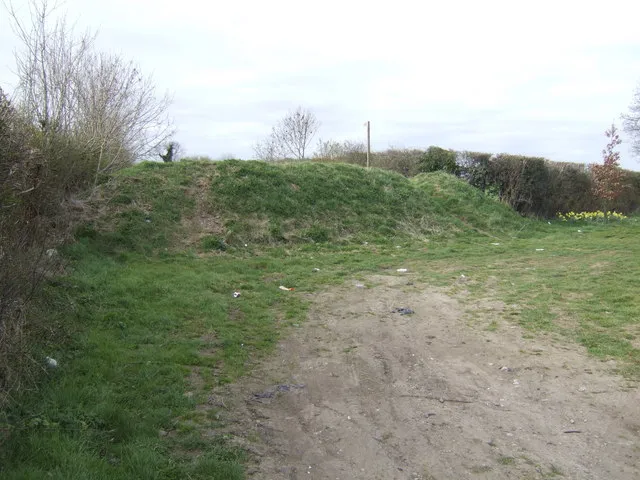
Photo: Jonathan Billinger, CC BY-SA 2.0, via Wikimedia Commons
Winter green-laning in the Rossendale Valley has a way of making you feel like you’ve got all day. You meet at a sensible hour, someone produces a flask, and the next thing you know it’s half two and you’re still eyeing up one more lane. Then the valley does its party trick: the light goes flat, the mist drops onto the tops, and you’re winching a mate out of a peat bog by torchlight. Not the day anyone planned.
The fix isn’t a bigger tyre or a brighter light bar. It’s a light budget. Treat daylight like fuel: you’ve got a finite amount, it burns faster than you think in December, and if you don’t plan the refills you’ll run dry somewhere inconvenient.
Start with sunset, then work backwards
Rossendale sits in a bowl, and the sun clocks off early behind the hills. In midwinter you’re looking at sunset around 15:50, with usable light going soft well before that. November and January give you a bit more breathing room, but not much. Add a low cloud base, drizzle and the shadow of the tops and you can comfortably lose another half hour of decent visibility.
So the first job of any winter lane day is not picking the lanes. It’s picking the time you want to be back on tarmac. Work backwards from there: 30 minutes to pack up and wash your hands, 45 minutes of contingency, and then the driving time for your chosen lanes. What’s left is your actual off-road window. It’s usually smaller than the group thinks.
A useful rule of thumb: aim to be off the lanes a full hour before sunset. Civil twilight is lovely for photos and useless for spotting a washed-out gully.
Build a light budget, not a wish list
A lane day has three costs: driving, faffing and the unknown. Driving is the fun bit. Faffing is gates, tyre pressure checks, photographs, someone adjusting a roof rack, and the inevitable ten-minute debate about whether that puddle is “fine”. The unknown is everything the valley throws at you — a fallen branch, a boggy section, a farmer moving stock.
On a short winter day, faff and unknown can easily eat 40% of your available light. Plan for it. If you’ve got five hours of usable daylight, don’t build an itinerary that needs four and a half hours of driving. Build one that needs three, then let the extra time be a gift rather than a rescue.
Order lanes by escape, not by ego
The tempting thing is to start with the most remote, most technical lane while everyone’s fresh. Resist that in winter. Start with something close to tarmac, straightforward to bail out of, and quick to recce. That gives you a shakedown for the convoy, a chance to spot a dodgy tyre or a forgotten recovery point, and an easy exit if the weather turns.
Save the committed stuff — the peaty bits, the high edges, the lanes where turning round is a twenty-minute job — for the middle of the day when you’ve got the most light and the most options. And be honest about the valley’s microclimate: the Grane Road can be clear while the tops are in clag, and a lane that’s dry at the entrance can be a bog two hundred yards in.
Set a hard turnaround time and say it out loud
This is the bit that separates a good winter convoy from a muddy after-dark epic. Before you set off, agree a literal clock time for turning for home. Not “about threeish”. An actual time, written in the group chat: “At 14:30 we turn for the valley floor regardless of where we are.”
Then stick to it. The lane will still be there next month. The landowner’s goodwill might not be if you’re clattering past their gate at half four with a broken CV joint.
A hard turnaround also changes the mood. Nobody’s quietly calculating whether they’ll be home for tea. Everyone knows the plan, so the last lane isn’t a race against the dark — it’s just the last lane.
Weather buffers for drizzle, peat and valley gloom
Rossendale in winter doesn’t do “a bit of rain”. It does a fine, persistent drizzle that makes gates slippery, tracks greasy and windows steam up. That slows everything down. Peat holds water like a sponge, so a lane that was firm in October can be a quagmire by December. And fog on the tops can turn a twenty-minute transit into a forty-minute crawl.
Check the Met Office forecast and the rain radar the night before, then add a 20–30% time buffer if rain is forecast. If it’s already been raining for two days, add more. If the wind is up and the cloud base is low, consider dropping the high lanes altogether. There’s no shame in a low-level day — the valley has plenty of interest without heading onto the exposed stuff.
A sample convoy timetable that actually works
Here’s a template for a midwinter Saturday. Adjust the times to your group, but keep the shape.
| Time | What’s happening |
|---|---|
| 08:30 | Meet at a valley car park. Brew, brief, tyre pressures, recovery points checked. |
| 09:00 | First lane — short, close to tarmac, easy bail-out. |
| 10:15 | Second lane. Keep the pace gentle; this is the shakedown. |
| 11:30 | Proper stop. Flask, butties, a look at the map. Fifteen minutes, not fifty. |
| 12:15 | Third lane — the main event, but only if the light and weather are behaving. |
| 13:45 | Decision point. Are we where we planned to be? If not, cut the last lane. |
| 14:30 | Hard turnaround. Head for tarmac, regardless. |
| 15:15 | Back on the black stuff. Air up, wash hands, debrief. |
| 15:45 | Sunset. You’re already done. Pint optional but recommended. |
That timetable gives you roughly five and a half hours between meeting and sunset, but only about three and a half hours of actual lane driving. That’s deliberate. The rest is buffer, faff and the valley’s natural ability to slow you down.
The call-off call is part of the plan
A good winter plan includes the decision to sack it. Agree your call-off criteria before anyone sets off: a forecast of persistent rain, a late start, a convoy member with a dodgy motor, or simply a bad feeling about the light. Then use them.
Calling it off at 11am because the cloud’s down and the peat’s horrendous is not a failure. It’s good manners to the lanes, the landowners and the volunteers who keep access open. It’s also a lot cheaper than a dark-woods recovery.
Ending in daylight is the flex
The best winter lane days in Rossendale aren’t the longest ones. They’re the ones where everyone gets home with light left in the sky, the truck is still in one piece, and nobody’s had to explain themselves to a farmer with a torch. Plan your light, set your turnaround, and leave the heroics for June.