Paws, Gates and Grit: Taking Your Dog on a Rossendale Green Lane
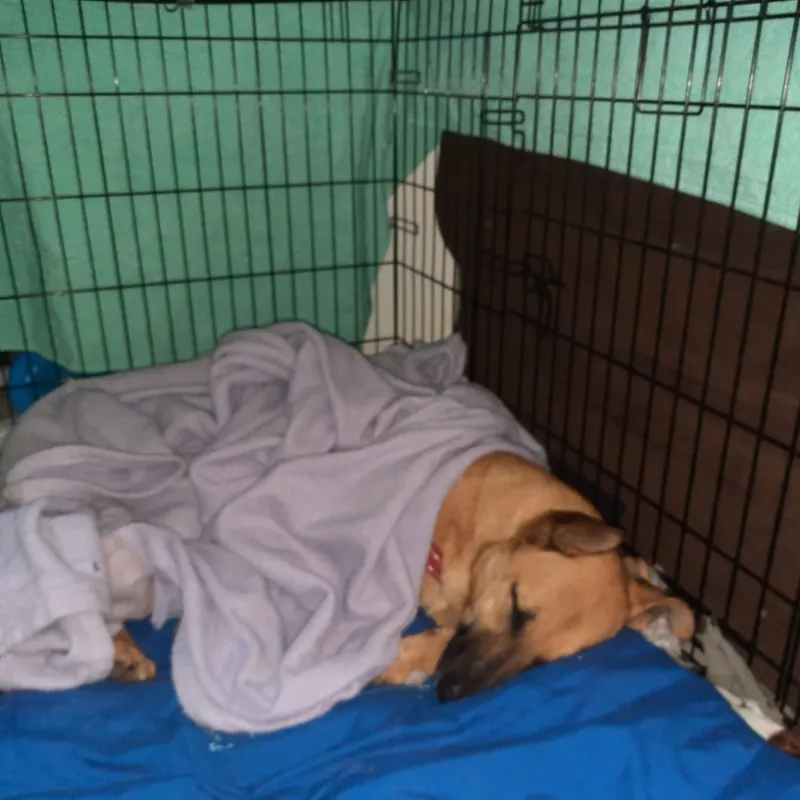
Photo: Teneab, CC BY 3.0, via Wikimedia Commons
There’s something grand about a dog riding shotgun on a lane day. Muddy nose at the window, tail going like a metronome, and a bit of company when the convoy stops for a brew. But a green lane is not a dog park with better scenery. Rossendale’s tracks are narrow, shared, often bordered by sheep, and covered in exactly the sort of filth that ends up on your carpets. If you’re bringing a dog along, the fun bit is easy. The responsible bit takes a little planning.
First, the honest question: is your dog up for it?
Not every dog is a lane dog. Long days, rough ground, weather that changes its mind halfway up the valley, and a lot of sitting about in vehicles — it’s a big ask. Older dogs with stiff joints, very young puppies, flat-faced breeds that struggle to breathe, and nervous dogs who hate strange noises may all be happier at home. A quick word with your vet is never wasted, especially if your dog is carrying a few extra pounds or has a known heart or joint issue.
The other honest question is fitness. A lane run might be a gentle amble for the vehicle but a proper hike for a dog, especially if it’s trotting alongside on a lead rather than snoozing in a crate. Build up gradually, avoid the longest days in high summer, and remember that a dog on a lead beside a slow-moving 4x4 is working harder than it looks.
Safe restraint is not optional
A loose dog in a moving vehicle is a hazard to itself, to you, and to everyone else. In a crash, an unrestrained dog becomes a missile. In a lane-day queue, it becomes a distraction at exactly the wrong moment. The fix is simple: a properly secured crate or a crash-tested harness. Whichever you choose, it needs to be anchored, not just placed on the back seat and hoped for.
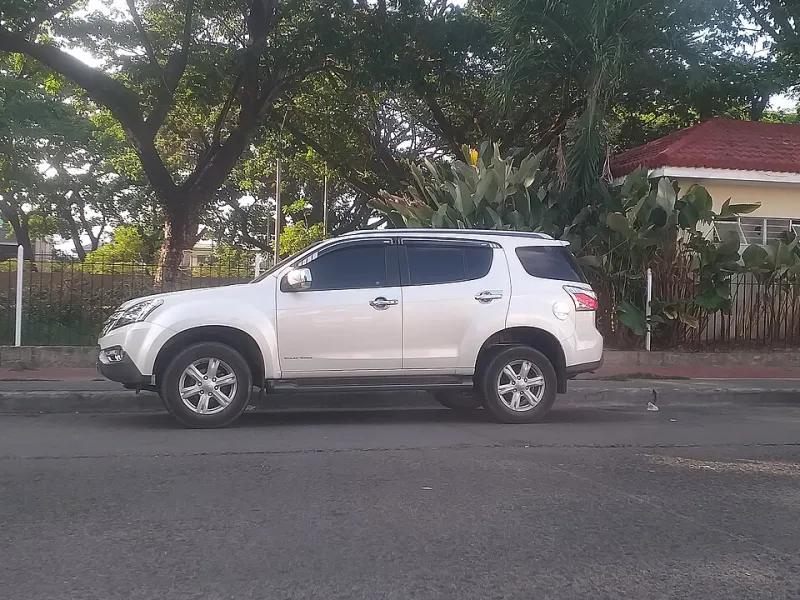
In the boot, a non-slip mat under the crate makes a real difference, and so does ventilation. Don’t rely on a slightly open window and a prayer. If your dog travels in the cabin, use a harness that’s designed for the job and keep the lead out of the way so it can’t wrap around anything. And never leave a dog unattended in a vehicle on a lane day — not for a quick gate check, not for a photo, not for anything.
Gates, sheep and the etiquette that keeps lanes open
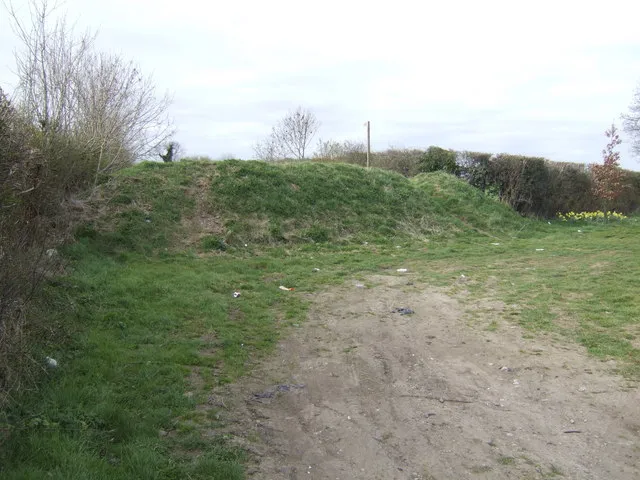
Rossendale’s lanes pass through working countryside. Sheep are not scenery; they are livestock, and a dog chasing or worrying them is a serious matter. The same goes for ground-nesting birds and other wildlife. If you can’t see what’s over the next rise, put the lead on. If there’s livestock in the field, put the lead on. If there’s a gate, close it unless it was open when you arrived and it’s clearly meant to stay that way.
A dog with a reliable recall is a pleasure. A dog with an unreliable recall is a lead dog, full stop. Don’t test your luck around sheep, and don’t let your dog range ahead where you can’t see it. When you meet walkers, cyclists or horse riders, give them space, call your dog in, and put it on a lead if there’s any doubt. A cheerful ‘morning’ and a dog under control does more for 4x4 owners’ reputation than any amount of apologising afterwards.
Mud, water and the weather
Rossendale mud is a given. The water is less straightforward. Puddles, peat pools and slow-moving ditches can carry all sorts of things you’d rather your dog didn’t drink, and blue-green algae is a genuine summer risk. Carry fresh water and a bowl, offer it regularly, and don’t let your dog lap from whatever it finds. If your dog loves a swim, keep it to clean, flowing water and check the local advice before you let it loose.
In winter, wet and cold take it out of a dog quickly. A short-coated dog may appreciate a coat, but every dog needs drying off and a warm spot for the journey home. In summer, the opposite: early starts, shade breaks, and a vehicle that’s properly ventilated. Heat inside a parked 4x4 can climb alarmingly fast, even on a day that feels mild.
The clean-down is part of the day
A muddy dog is not a problem. A muddy dog spreading that mud through the boot, the cab and the rest of the convoy is. A boot liner, a couple of old towels, a water container and a bowl will save you a world of grief. Rinse the worst off before the dog gets back in, dry the ears and between the toes, and check for cuts, thorns and ticks. A tick remover lives in the glovebox for a reason.
At home, wash the dog down properly, dry it thoroughly, and clean the vehicle’s boot area rather than letting damp mud sit there. It’s not glamorous, but it’s the difference between a dog that’s welcome on the next lane day and one that isn’t.
The kit that earns its space
A crate or harness, a lead, fresh water, a bowl, towels, poo bags, a basic first aid kit, tick removers, a spare blanket, and your vet’s number. Add a torch for winter afternoons and a shade cloth for summer. It’s not a long list, but it’s the difference between a good day out and a stressful one.
Bringing a dog along can be one of the best parts of green-laning in the Rossendale Valley. It just needs to be the dog’s day too — safe, comfortable, under control, and cleaned up afterwards. Do that, and you’ll both be welcome back on the lanes.