The Valley Mud Map: Sharing Lane Conditions Without Wrecking the Lanes
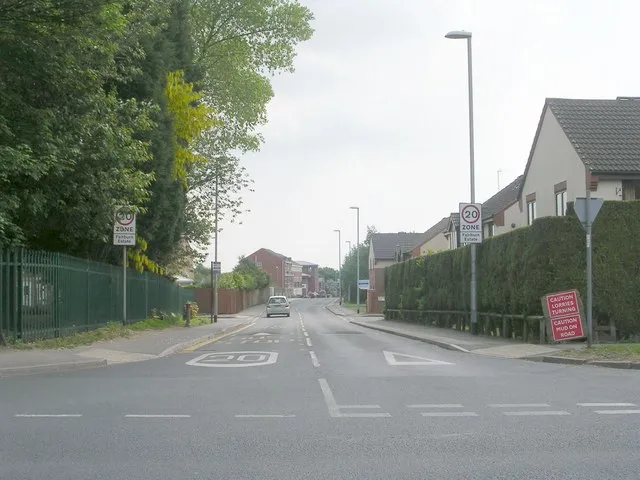
Photo: Betty Longbottom , CC BY-SA 2.0, via Wikimedia Commons
Winter in the Rossendale Valley has a way of changing a green lane overnight. A decent line through the ruts in October can be a axle-deep bog by bonfire night. A ford that was a splash on Sunday can be a proper stopper by Tuesday. And a fallen tree on a narrow lane above Bacup can turn a quick evening out into a long reverse. Local drivers already swap this information by text, in group chats and in car parks. The question for 2026/27 is whether we can make that knowledge a bit more organised without turning it into a gatekeeping club or a public invitation to churn up the sensitive stuff.
A lane-conditions board is not a new idea. Plenty of areas have Facebook threads, forum posts and WhatsApp groups that do the same job. But a good board needs a bit more thought than a pinned post saying it is muddy. It needs a simple place to post, a clear idea of what is useful, a set of privacy rules and a moderating hand that keeps it helpful rather than dramatic.
Why bother with a conditions board at all?
Because mud is local and fast-moving. A general weather forecast will tell you it has rained, but it will not tell you that the ruts on a particular lane are holding water, that a gate has been left open, that a ford is running higher than usual or that a tree is down across the only sensible line. A conditions board fills that gap. It helps people avoid damage, avoid wasted journeys and avoid putting themselves into a situation they are not equipped for.
It also helps the lanes. If drivers know a route is deeply rutted or a ford is too high, they can choose somewhere else. That reduces the chance of someone panicking, spinning up and making a bad surface worse. Good information is not about encouraging more traffic; it is about helping the traffic that does go out to behave better.
Where should it live?
The best board is the one people actually use. That usually means one place, not four. A pinned thread in an existing local 4x4 group is the lowest-effort option. A WhatsApp or Telegram community works well for quick updates, but it can become cliquey and hard to search. A simple page or form on a website is more public and easier to archive, but it needs someone to check it.
For a Rossendale board, a hybrid works: a public read-only page for the latest summary, plus a quick submission form or a pinned group thread where people can post updates. Keep the process short. If people have to write an essay or join three groups, they will not bother. A single template and a clear place to put it is enough. The board should also say who runs it and how to report something urgent, so it does not become a place where people assume someone else is dealing with a dangerous ford or a blocked road.
What is worth reporting?
Useful reports are specific, dated and honest. A post that says the lane is muddy is not much help. A post that says the lane above Waterfoot is axle-deep in the ruts, passable with care on 33s, and the worst bit is the shaded corner before the gate is genuinely useful. The same goes for closures, fallen trees, flooded fords and anything that changes the character of the lane.
A simple template keeps things consistent:
- Lane name or area, plus the nearest recognisable landmark.
- Date and time of the report.
- Direction travelled, if it matters.
- Surface conditions: mud depth, standing water, ice, exposed rock, deep ruts.
- Any obstruction: fallen tree, locked gate, damaged bridge, flooded ford.
- A plain verdict: passable with care, 4x4 only, or do not attempt.
Photos help, but they need care. A picture of a rut is useful. A picture of a number plate, a person or someone's house is not. Keep the camera pointed at the ground and the lane, not at people and property.
Privacy and landowner respect
This is where a well-meaning board can go wrong. Green lanes are public highways, but they often run through private land, past farmyards and along routes where landowners are already nervous about traffic. A conditions board should never become a directory of landowners, a place to name and shame, or a map of exactly where to park so you can nip over a gate.
Do not publish names, phone numbers or detailed descriptions of private property. Do not speculate about who closed a gate or why. If a route is reported closed, say it is reported closed and leave it at that. If a landowner has asked for something, respect it. The board should make it easier for drivers to behave well, not give them an excuse to argue with the person who lives at the end of the lane.
There is also a simple privacy rule: report the lane, not the people. No number plates, no photos of drivers, no screenshots of private chats. If someone posts something that breaks that rule, take it down and explain why. A board that feels safe to use is a board that stays useful.
Keep it open, not gatekept
A conditions board should not turn into a secret society. The whole point is to help people make sensible decisions, not to make them prove themselves before they are allowed to know that a ford is running high. New drivers should be able to read the board, ask a sensible question and get a straight answer without being mocked for their tyres or their lack of experience.
That does not mean every report needs to be public in real time. A private group can work if it is easy to join and not run as a clique. But the tone matters. If the board becomes a place where people are scared to post because someone will jump on them for calling a rut a rut, it will die. Keep the moderation firm on safety and privacy, and relaxed on everything else.
A simple routine for the Valley
Check the board before you set out, especially after heavy rain or a cold snap. Post an update when you get back, while it is fresh. If you see a change later, add it. Thank people for useful reports and correct gently when something is wrong. And if a lane is clearly damaged or a ford is dangerous, say so plainly. The board is not there to send everyone to the same place; it is there to help people choose well and look after the lanes we have got.
Done properly, a Rossendale lane-conditions board is a boring, practical, deeply useful thing. It is a few lines on a screen that stop someone wrecking a diff, getting stuck in a ford or dragging a fallen branch out of the way with their bumper. That is worth a bit of organisation.