The Unstuck Box: Five Low-Tech Lifesavers for Rossendale Mud
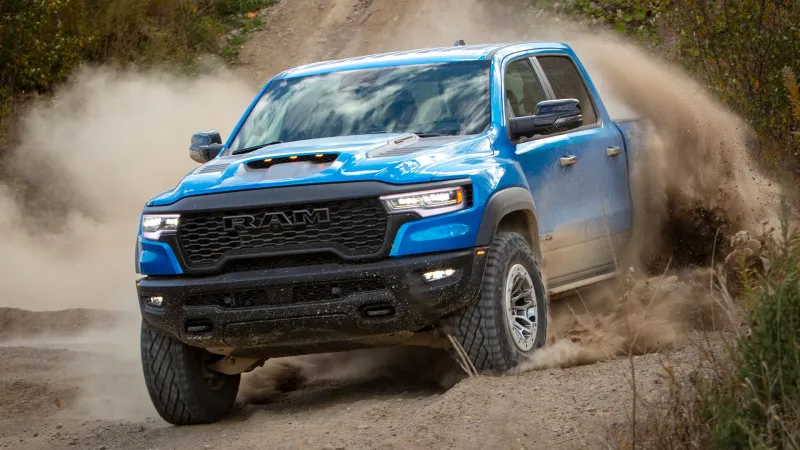
Photo: 4x4 traction boards shovel kinetic rope muddy green lane UK recovery kit, via static0.carbuzzimages.com
It is tempting to think every muddy exit needs a winch. In the Rossendale Valley, most of the time it does not. The classic local stuck is not a cliff-face recovery; it is a 4x4 bellied out in clay, peat or wet grass on a lane above Waterfoot, or a wheel-spinning moment on a boggy bend near Deerplay. What gets you moving again is usually less heroic: a bit of digging, some traction, a gentle pull from a mate and the discipline to stop before you make it worse.
That is the case for a small, boring recovery kit. Not a showpiece. Not a winch you use twice a year. Just five bits of kit that live in the boot, stay clean enough to work and earn their space. Here is the unstuck box we would take on a Valley lane day.
1. Traction boards you will actually carry
Traction boards are the first thing to reach for when a tyre is spinning on wet grass or polished clay. They bridge ruts, give the tread something to bite and let you use gentle throttle instead of a boot full of right foot. The trick is to buy a set you can live with: light enough to store behind a seat, strong enough not to fold under a loaded 4x4 and easy to clean before they go back in the boot.
Use them properly. Clear the mud in front of the tyre, ram the board into the rut at a shallow angle and feed the power in slowly. If a board starts to spin out, stop, reset it and try again. Do not stand behind a spinning wheel while someone else has a go. And rinse them off when you get home; grit and dried peat will chew plastic and make a mess of the boot.
2. A full-size shovel, not a folding trowel
A decent long-handled shovel is the most underrated recovery tool in the Valley. When the chassis is resting on a peat ridge, no amount of throttle will help. You need to move mud. A folding camp shovel is better than nothing, but a proper spade or shovel with a sharp edge will shift clay, cut through a rut and clear around a diff in minutes rather than ages.
Keep it where you can get to it without unpacking the whole motor. Use it before you use the throttle. Dig out the high spots, clear the axles, open a drain line for standing water and make a ramp out of the spoil if you can. Gloves help, and so does a quick scrape of the blade before it goes back in. A muddy shovel is a tool; a rusty one is just a nuisance.
3. A kinetic rope and rated shackles
A proper kinetic rope is not the same as a tow rope. It stores energy and gives a gentle pull rather than a violent snatch. That matters on a muddy lane where a hard jerk can damage chassis points, bumpers or the person doing the pulling. Pair it with rated shackles and use only proper recovery points. Tow balls are not recovery points, and neither is a random bit of bumper bracket.
When you use it, agree the plan first. Sort out signals, keep bystanders clear and make sure both drivers know when the pull starts. A gentle, steady build-up is usually enough to get a stuck motor rolling. If it is not moving, stop and reassess rather than escalating. A kinetic rope is a brilliant bit of kit, but it is not a substitute for digging and traction boards.
4. A jacking base that spreads the load
In soft ground, a jack will sink before it lifts. A proper jacking base, or a sturdy waffle board used for the job, gives the jack something to sit on and makes the whole operation safer. This is not about lifting the vehicle to the sky; it is about getting a wheel clear, packing a rut or changing a tyre on a wet lane without the jack disappearing into the peat.
Use it on firm, level ground where possible, chock the other wheels and never put any part of yourself under a vehicle held only by a jack. If you are using a bottle jack or a standard scissor jack, check it is rated for the vehicle and that the base is stable before you start pumping. It is a small, cheap item that turns a miserable job into a manageable one.
5. A reliable compressor and a decent gauge
Air down for traction, air up for the road. That is the simple version. A reliable compressor with enough output for your tyres, a hose that reaches all four corners and a decent pressure gauge will do more for your Valley driving than a lot of bolt-on kit. Soft tyres float over mud and grip better on wet grass; hard tyres make the lane worse and the drive home skittish.
Do not rely on a forecourt machine that is always out of order. Check your pressures before you set off, drop them when the surface demands it and pump them back up before you hit the tarmac. A cheap gauge that reads 5psi out is worse than no gauge at all. Keep the compressor fused, keep the hose tidy and give the whole lot a check before winter proper arrives.
The technique bit
Kit is only half the story. The other half is knowing when to stop. If the lane is getting deeper, the ruts are getting wider and the vehicle is starting to belly out, stop and have a look on foot. Reverse out if you can. Turn around if there is space. There is no shame in saving a lane for another day, especially when the ground is soft enough to leave scars that last for months.
Go with another vehicle when you can, tell someone where you are going and carry a charged phone or a radio. A winch has its place, but for most Rossendale mud days the unstuck box, a calm head and a mate with a kinetic rope will get you home without the drama.