One Grand, Three Ways: Spending Sense on a Rossendale 4x4
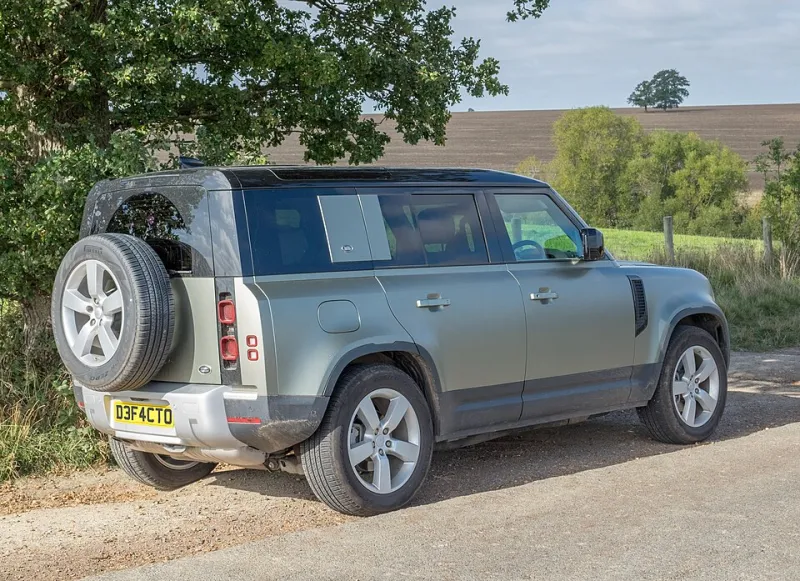
Photo: DeFacto, CC BY-SA 4.0, via Wikimedia Commons
A thousand pounds is the classic 4x4 dilemma. It is enough to do one thing properly, and not enough to do three things well. So the question in the pub, in the group chat and in every build thread is always the same: lift kit, lockers or tyres?
Having spent a lot of muddy weekends around the valley, my answer is unfashionable and rarely popular. Buy tyres. Then recovery points. Then protection. Then, maybe, the rest.
The honest ranking
If you want the short version: grip first, safety second, clearance third, traction aids fourth. That is it. Everything else is either comfort, cosmetics or something you will appreciate on exactly two lanes a year.
Why tyres win every time
Wet Pennine lanes are not rock crawls. They are grass, clay, mud, water and the occasional bit of broken tarmac. None of that rewards a three-inch lift. All of it rewards a tyre that can clear itself and find an edge.
A grand buys a set of decent all-terrains — or a proper set of muds and a bit of change if you shop sensibly — and that single purchase will transform a standard vehicle more than any other pound you spend. A locked, lifted truck on worn road tyres is a stuck truck with a light on the dash.
Be realistic about what you drive, though. If the 4x4 is also the school run and the tip run, all-terrains are the sensible compromise. If it lives for weekends and you genuinely chase the slop, muds earn their noise.
Recovery points and armour: the cheap insurance
Before you go anywhere near suspension, spend on the bits that stop a small problem becoming a large one.
Rated recovery points front and rear, a couple of shackles, a proper strap and a bridle will set you back a couple of hundred pounds and make every future recovery safer. A diff guard, a steering guard and sill protection eat another few hundred and pay for themselves the first time you hear a rock go underneath instead of through something expensive.
This is the least exciting spending in the whole hobby. It is also the spending you will never regret.
Where a lift genuinely helps — and where it doesn't
A lift buys clearance, and clearance is real. Bigger tyres and a bit of height get you over humps and stop you grounding out on the crown of a rutted lane. That matters.
But a lift also raises your centre of gravity, which is the exact thing you do not want on a wet side-slope above the valley. It changes the geometry, which means CV joints, bushes and steering components start working at angles they were not designed for. And on most modern 4x4s, it needs declaring to your insurer, which usually means a premium change.
A modest two-inch lift with a proper alignment and quality components is fine. A big lift on standard-length brake lines and standard shocks is a breakdown waiting for a date with a recovery truck. And remember: on grass and clay, ground clearance matters far less than the tyre bolted to the hub.
Lockers: brilliant, once you actually need one
Selectable lockers are superb. They turn a two-wheel-drive-in-practice vehicle into something that will crawl out of almost anything, and on a vehicle without modern traction control they are a genuine step change.
They are also expensive. A properly fitted selectable locker typically swallows most or all of your grand for one axle, plus you may need to regear or upgrade shafts later. An automatic locker is cheaper but announces itself on every roundabout and wet corner.
My rule: if you have not found yourself stuck because of a lack of traction — rather than a lack of tyre or a lack of nerve — you do not need a locker yet. Most drivers on most lanes in the Rossendale Valley are in that position for years, and the ones who are not usually got there on secondhand mud tyres and a bit of momentum.
The insurance bit nobody budgets for
Every modification is a conversation with your insurer, and not every insurer wants the conversation. Lifts, oversized tyres, snorkels, lockers, light bars — declare them. Some policies will load the premium, some will send you to a specialist broker, and a few will decline outright.
Shop for a policy that understands modified 4x4s before you buy the parts, not after. There is nothing worse than finishing a build and discovering it is uninsurable at a sensible price.
Three owners, three answers
The daily driver on road tyres. Spend it all on tyres, recovery points and a diff guard. Skip the lift. Keep it comfortable, keep it insurable, keep the wife on side.
The old Defender or Discovery project. Do tyres and armour first, then put the remaining money aside for the rust you have not found yet. If there is anything left, a modest lift with decent shocks. Lockers come later, once everything else actually works.
The newcomer who has just bought their first 4x4. Do not modify anything for six months. Spend a fraction of the grand on recovery gear and training, join a local group, do a few lanes, and find out what your vehicle actually struggles with. You will save yourself hundreds on parts you do not need.
What I would actually do
All-terrains. Rated points, shackles and a strap. Diff and steering guards. Then keep the change for fuel, a lane-friendly club membership and a decent pair of boots.
Boring? A bit. Effective? Ask anyone who has spent a wet Saturday winching a lifted, locked truck on bald tyres off a lane above Rawtenstall. They will tell you the same thing.