From White Knuckles to Wingman: Coaching Your First Green-Lane Passenger
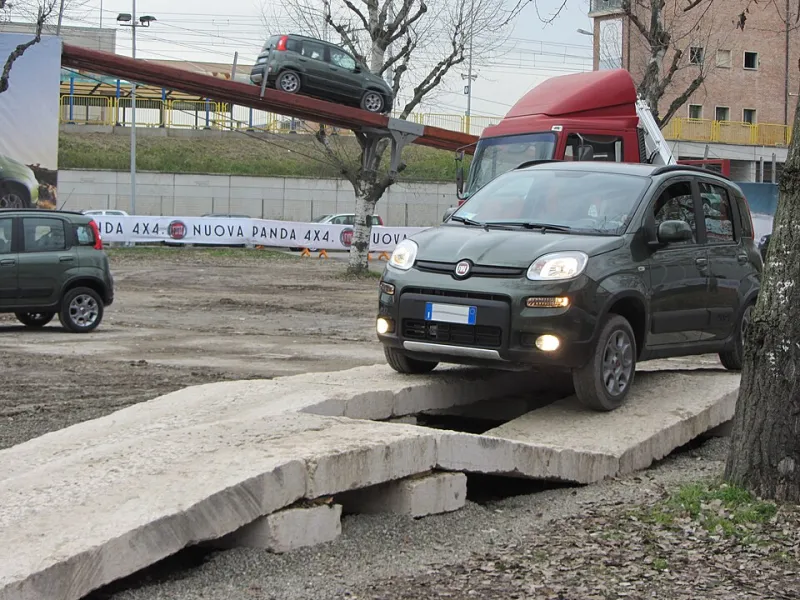
Photo: Pava, CC BY-SA 3.0 it, via Wikimedia Commons
Every regular lane mate you've got was once somebody's nervous passenger. They turned up in clean trainers, clutching a takeaway coffee, having watched three YouTube videos of somebody drowning a Discovery in a Welsh bog. Your job that morning isn't to impress them. It's to make sure they want to come back.
That's a coaching job, not a driving job. Here's how we'd go about it.
The briefing starts before the engine does
Give yourself twenty minutes in the car park. Not a lecture, just a chat with the map open on the bonnet.
Tell them where you're going, roughly how long you'll be out, and what the day actually looks like: a bit of tarmac, a couple of lanes, a stop for butties, home before dark. Vague plans make people anxious. Vague plans plus a stranger's Land Rover make people very anxious.
Then cover the boring practicalities properly. Boots, not trainers. A waterproof. Their own water and a snack. Layers, because a Pennine lane in November is a different climate to the valley floor. And tell them plainly that they'll be getting out to open gates, so nothing they can't walk a hundred yards in.
Teach three things, not thirty
Newcomers can hold about three ideas in their head at once. Pick the ones that matter.
Gate discipline. Close every gate behind you, leave it exactly as you found it, and never climb a wall to save yourself thirty seconds. This is the whole hobby in one habit — access survives on it.
Convoy spacing. Keep the vehicle behind in your mirrors, keep a sensible gap, don't bunch up, don't disappear. If you can't see the truck behind, stop.
Walking the line. Before anything looks awkward, get out and look. Ruts, rocks, drainage channels, a soft edge that'll swallow a wheel. Walking a section first is not a sign of weakness; it's what experienced drivers do on unfamiliar ground.
That's the syllabus. Everything else can wait.
Leave this lot for later
Winching. Deep water. Night laning. Leading a group. Tyre pressure decisions on really mixed terrain. Reading a map at pace while somebody behind you is asking questions. All of it matters, none of it belongs on day one, and dumping it on a newcomer on the drive over is how you turn a curious friend into a former friend.
Spotting without shouting
If they're spotting for you, agree the ground rules first. Stand somewhere you can actually see them. One voice only — a second spotter shouting a different instruction from a different angle is worse than no spotter at all. Keep clear of the vehicle's path and well clear of any rope or strap under load. Don't grab the truck to 'help' it.
Agree simple signals before you need them: palm forward for stop, pointing for direction, a rolling hand motion for steady. Then trust them. Nothing kills a novice spotter's confidence faster than the driver ignoring the signal and then blaming the ruts.
Handing over the wheel
Once they've watched a lane or two, swap seats somewhere genuinely easy. A wide, grassy, well-drained track with good sightlines and nothing to hit. Not the roughest thing you know, and definitely not the lane with the drop on one side — you're building a driver, not a story.
Then sit in the passenger seat and, hard as it is, mostly shut up. Let them make small mistakes at walking pace. If they're about to do something genuinely expensive, say so calmly and early. Otherwise let the truck teach them.
The first time they get a wheel up on a bank and feel the vehicle tip and settle, and nothing bad happens, is the moment they're hooked. That's the whole point of the exercise.
Recovery confidence, cheaply
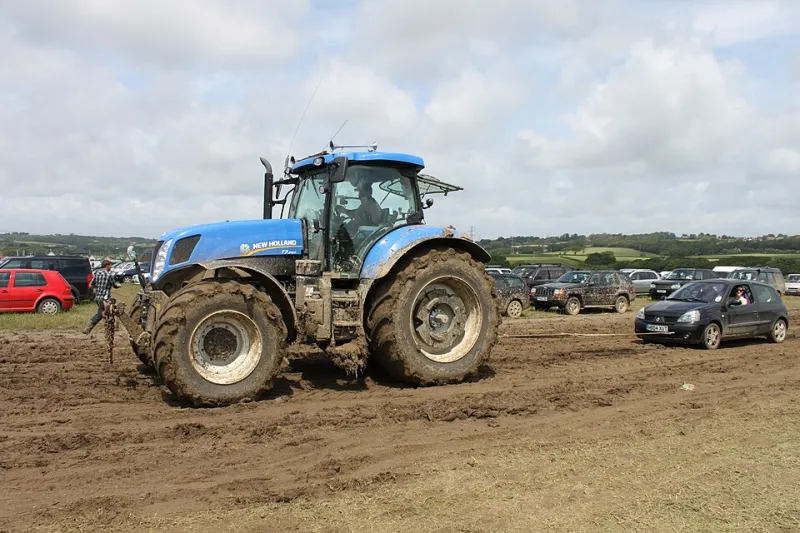
You don't need a winching masterclass. You need them to know what a rated shackle looks like, how to check a strap, where to stand, and why nobody ever stands in the bight of a rope. Then go and do a simple tug on flat grass so they see the kit work.
Practical confidence beats theory every time. Somebody who's checked a shackle themselves is a hundred times calmer when it actually matters.
Build the ladder slowly
Rossendale's got a decent progression if you don't rush it. Start on the gentle stuff — the flatter, more forgiving lanes around Edenfield and the easier sections off the Grane Road where the surface is firm and the gates are straightforward.
Then, over a few trips, work up to the rougher, more technical ground above Haslingden and the exposed stuff on the tops. Save the lanes that hold water for a dry spell — nobody's first winter should be spent winching out of a bog on Scout Moor, and the lanes don't thank you for it either.
The debrief matters more than you think
Tea at the end. Ask them two questions: what did you enjoy, and what made you nervous? Listen to the second one. That's next trip's lesson plan.
Send them home before they're exhausted rather than after. A newcomer who finishes the day tired but capable comes back. One who finishes cold, frightened and fed up doesn't, and no amount of photos on the group chat will change their mind.
Do it right and you'll get a text on Tuesday night asking when you're out again. That's the standard to aim for.